
When I am appraising a home, I am looking around with a buyer's eyes. If the homeowners decide to sell, there are so many small things that create big wins for them and that can maximise their price.
Out the front
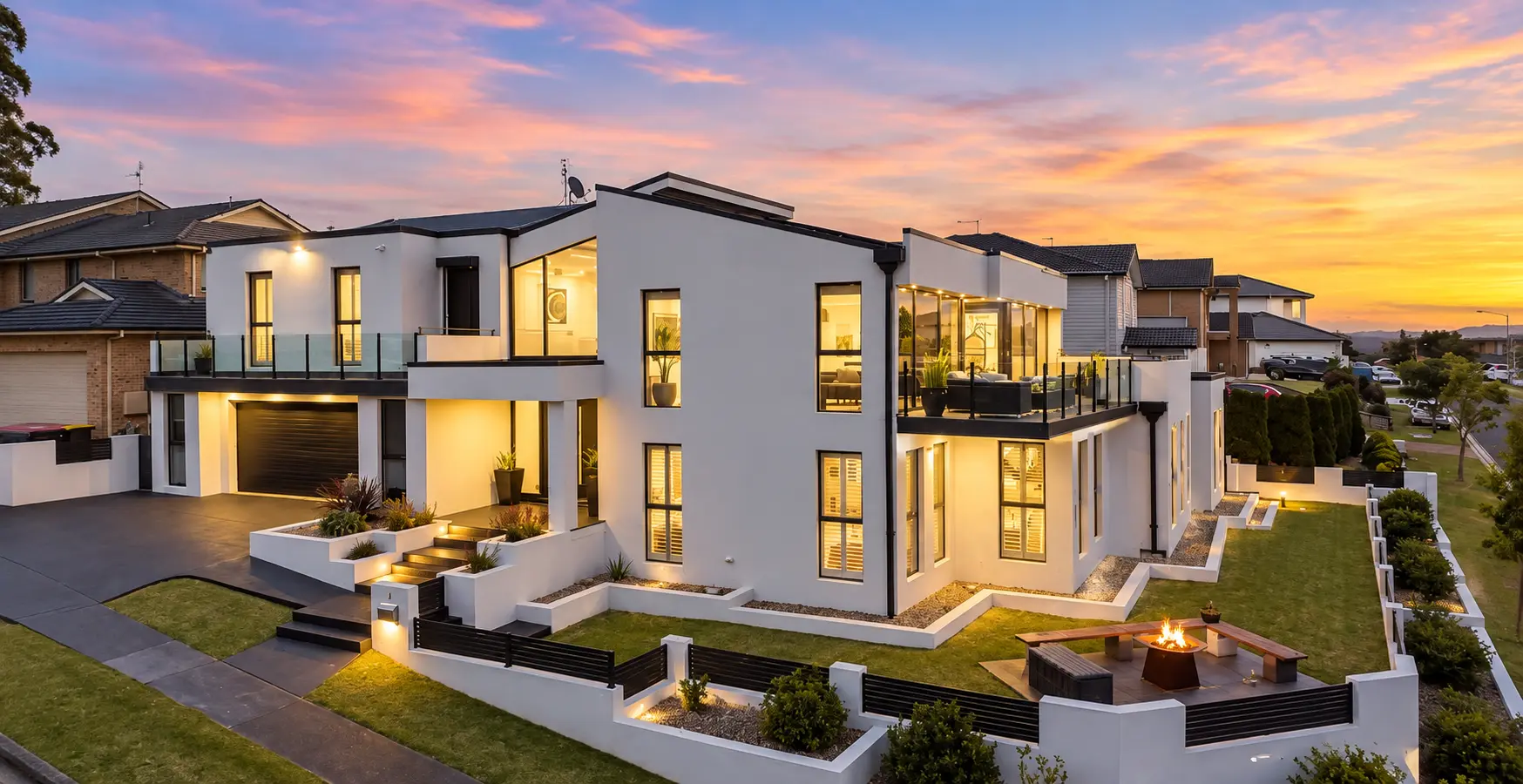
When I approach the home, I look at the street appeal and decide if we need to do any small tidy-ups at the front. This can be weeding, mulching, hedge trimming and so on. I look at driveways and paths, as a quick coat of paint on these provides a huge uplift to the front of the home.
I then cast my eye over the gutters, fascia boards and eaves to see what condition they are in. I feel this tells me a lot about where the maintenance on the home is up to. If they are tired looking, rusted, leaking or full of cobwebs, these things really need to be done before coming to market.
I even look at the front door, because this is memorable when a buyer approaches the home. Does it need painting? Sometimes, if rain hits the front door, it needs replacing. First impressions can be poor or lasting, and we want a buyer's first impression to be: I can see the current owners love this home.
Inside
Once inside, I am looking at the general cleanliness of the home first and foremost, as buyers rate cleanliness up there with price. I am looking at walls and ceilings to see if they need refreshing or if a full coat of paint is required.
I am looking at furniture placement, to make sure it is easy for a buyer to walk through the home without feeling cramped. Sometimes we might recommend removing large pieces of furniture to open up the home.
Kitchens and bathrooms
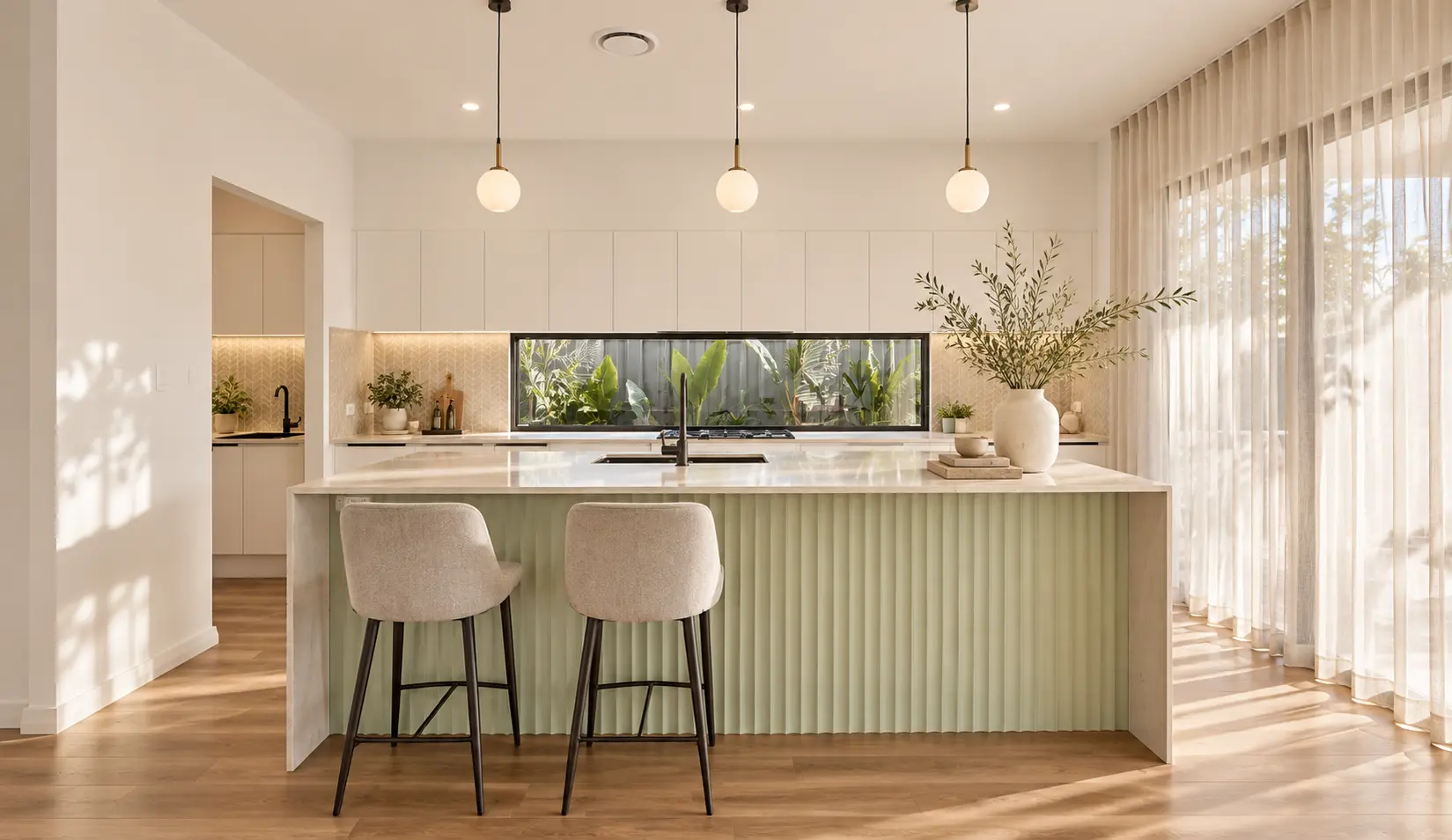
I am looking at the kitchen and what needs to be done to present it to market. Small things, like polishing chipped stone benches, replacing leaking taps and regrouting splashbacks if required.
I look at bathrooms in the same way. Does the tapware, vanity or toilet need updating or replacing? Is grout missing and does it need regrouting? I make sure there is no mould in the shower or on the cornices in the wet areas. Mould is a sign they need more ventilation.
How the home works for a family
I look at bedroom sizes, because if the bedrooms are small, we know the feedback from families will not be kind, and this alone is a reason for a buyer not to move forward on a property, especially if they have teenage or adult children still living at home.
I always take note of whether the home has at least one other living area, separate from the main kitchen, living and dining area. I look at the transitions from the inside to the outside and to the backyard. Is there a clear line of sight for parents to see their children playing? Does the home have an entertaining area, and does it flow freely from the main kitchen area? If not, again, this could hold a buyer back or even alter the price.
Outside, and what I can't see
Is the backyard level and usable, and is the property's fence line secure? What does the side access to the property look like, and is it secure?
If I don't know, I always ask what features the home has that I can't see. If I don't know about it, the buyer doesn't either: solar, underfloor heating, three-phase power in a garage or shed, large air-conditioning units. Anything that could enhance the price or be of benefit to the next owner.
Around the table
All of these things are what we discuss when we sit down around the table. Our role as their agent is to help them maximise their price, with small updates that can make big improvements to the home and to the overall price we can market the property for.