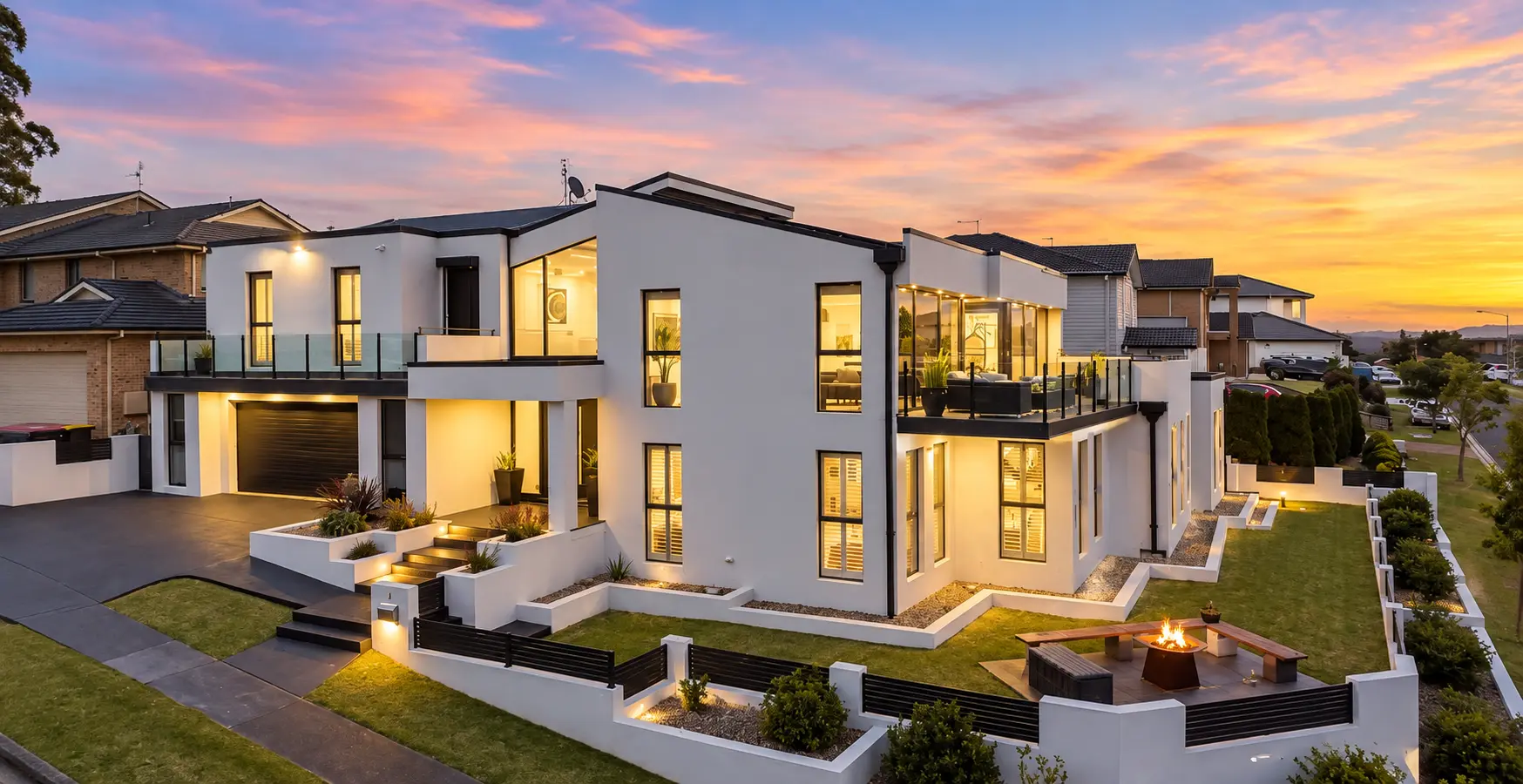
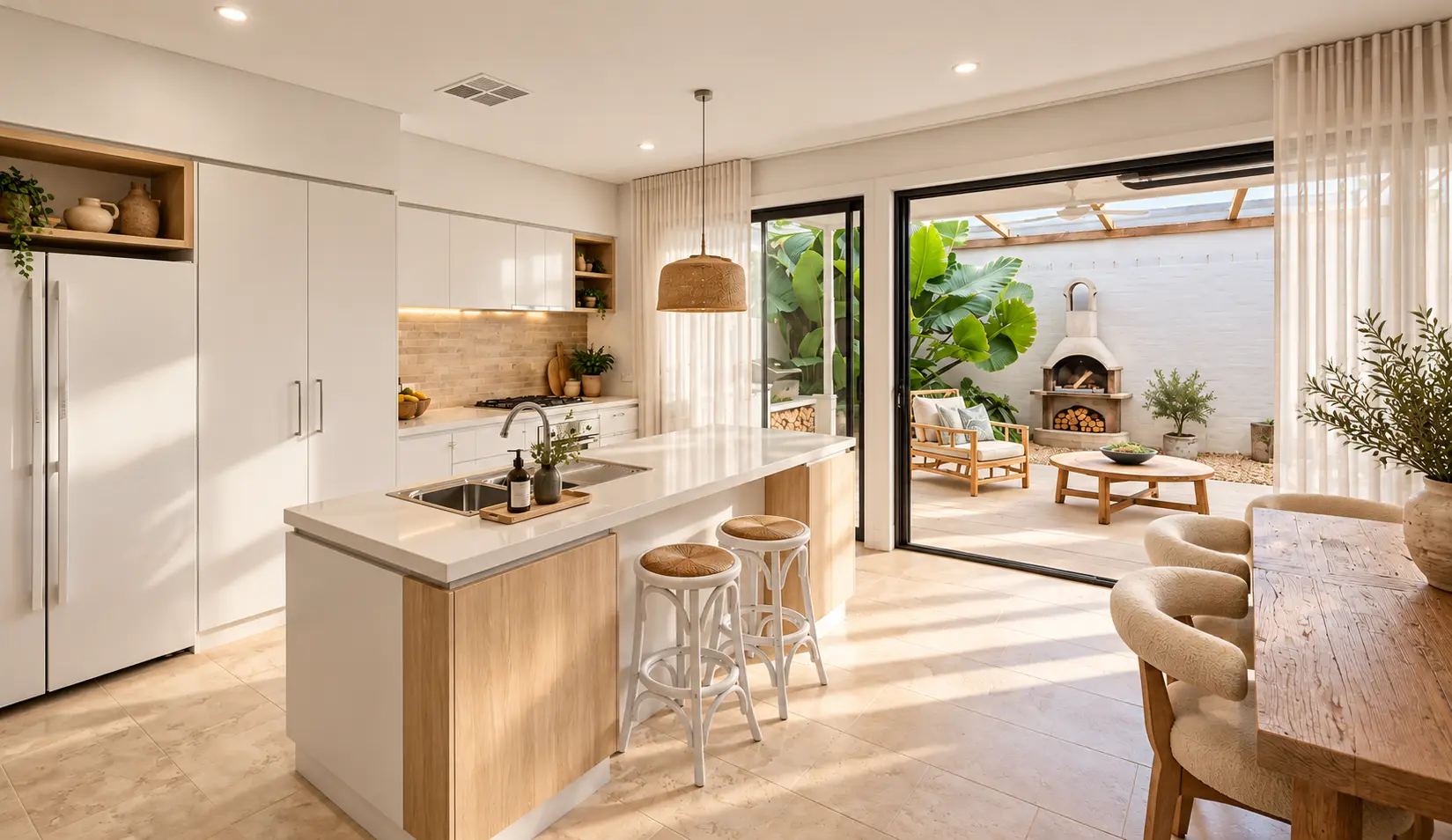
Spring has always been one of the most popular times to bring a home to market. Longer days, warmer weather and gardens in flower show a home at its best, but more homes come up for sale at the same time, so there's more competition for every buyer. In any season, simply putting a home on the market isn't enough.
We think the preparation done before a home is launched can be one of the most important parts of the whole campaign. Buyers start forming a view within seconds of finding your home online, and by the time they reach the front door they've already decided how it makes them feel. Our approach is simple: you don't need to spend a lot of money. You need to spend it in the right places. Here's where we'd start.
1. Start at the street
Before a buyer sees your kitchen or your backyard, they see the front of the house. Mown lawns, clean edges, trimmed hedges, weeded beds and fresh mulch change how a property feels on arrival. Pressure cleaning the driveway, paths and outdoor areas can make older surfaces look much fresher.
Look closely at the entrance too. A front door that needs paint, cobwebs in the eaves, a tired letterbox: none of it costs much to fix, but together it changes how buyers see the home. A couple of pots beside the door can add some colour.
Our tip: stand across the road and look at the house as if you'd never seen it before. Whatever your eye goes to first is often where we start.
2. Paint
If there's one thing we regularly recommend before a sale, it's paint. Scuffed walls, marks, dated feature colours and tired skirting boards make a good home feel older than it is. A fresh, neutral palette makes rooms feel brighter, cleaner and bigger, and lets buyers picture their own furniture in them.
That doesn't always mean repainting the whole house. Often it's a matter of choosing the areas with the most visual impact, such as the main living area, the entrance, the hallway or the most tired rooms. The aim isn't to renovate for the next owner. It's to remove the distractions that could lower what buyers think the home is worth.
3. Declutter
One of the cheapest things you can do may also be one of the most effective. We stop noticing the extra chairs, the toys, the appliances on the bench and the full shelves. Buyers see all of it. Taking out furniture you don't need makes rooms look bigger, clear benches feel more spacious, and thinned-out wardrobes make the storage look more generous. The aim isn't to take the personality out of your home, only to give buyers room to picture their life there instead of yours.
4. Fix the little things
Walk through the house and list the small jobs you've been meaning to get around to:
- a dripping tap
- a loose door handle
- cracked silicone
- a broken flyscreen
- a blown light globe
- a cupboard door that won't close properly.
On their own they seem minor. Together they suggest a home that hasn't been looked after. Buyers tally up the cost of repairs in their heads and usually overestimate it, so a small spend on maintenance before you list removes those objections before anyone raises them.
It's something Monique has said publicly too, when local agents were asked for their predictions for 2024:
“If rates remain on hold we should see buyers come back to the market with more confidence. We are already seeing buyers are prepared to confidently move forward on property that doesn't need money spent on it, that ticks many boxes and represents good value.”
5. Clean for a sale, not for living
There's an everyday clean, and there's a sale clean. Before the photos and the open homes, we want the windows and shower screens spotless, the grout and floors clean, and the kitchen and bathrooms at their best. Don't forget the places people miss: window tracks, skirting boards, light fittings, the oven, the rangehood and the outdoor areas.
Clean windows and open blinds let in more light, too. A clean home doesn't only look better. It tells buyers the property has been cared for.
6. Consider styling
Styling isn't about filling a house with fashionable furniture. Done well, it shows buyers how to live in the home. The right furniture shows the size of a room, improves the flow, draws the eye to the home's best features and gives the photographer something to work with.
It also creates an emotional response, because buying a home isn't purely a financial decision. Buyers need to walk in and think, "I can see us living here." Some homes are worth styling in full. Others need a few pieces, or simply a better arrangement of the owner's own furniture. Every home is different.
7. Don't forget the outdoor areas
Spring is a good season to show off outdoor living. If your home has an alfresco area, a balcony, a pool, a courtyard or a backyard, don't treat it as an afterthought. Clean the outdoor furniture, pressure wash the paving and trim the garden, so buyers can picture summer afternoons, barbecues and friends over. We're not only selling square metres. We're selling the way those spaces can be used.
8. Professional photography
Once the work is done, the marketing has to show it. For most buyers, the first inspection isn't at the property. It's online. Professional photography taken at the right time of day, a floor plan and careful marketing decide whether a buyer scrolls past or stops to look. The aim is to create enough interest online to bring buyers to the front door. From there, the home has to live up to what the marketing promised.
9. Get advice before you renovate
This may be our most important recommendation. Before spending serious money getting your home ready, talk to your agent. We regularly meet owners planning to spend tens of thousands of dollars on a kitchen, a bathroom or a bigger renovation before they sell. Sometimes it's worth it. Often it isn't.
You don't want to spend $30,000 on improvements buyers may only value at $15,000. Our job is to work out which improvements are likely to change how buyers see the home, and where your money is better left in your pocket. Our advice is the same we'd follow in our own home. A few thousand dollars spent on paint, the garden, cleaning, maintenance and styling can do more than an expensive renovation.
The goal is buyer emotion, not perfection
Preparing a home for sale isn't about making it look as though nobody lives there. It's about letting buyers see its space and its potential. We want them impressed at the front door, lingering in the kitchen, placing their furniture in the living room and picturing their children in the backyard. Most of all, we want more than one buyer to feel that way, because competition between buyers is what gives us the chance to push the price up.
Preparation isn't about spending the most money. It's about making the right decisions before your home reaches the market.