
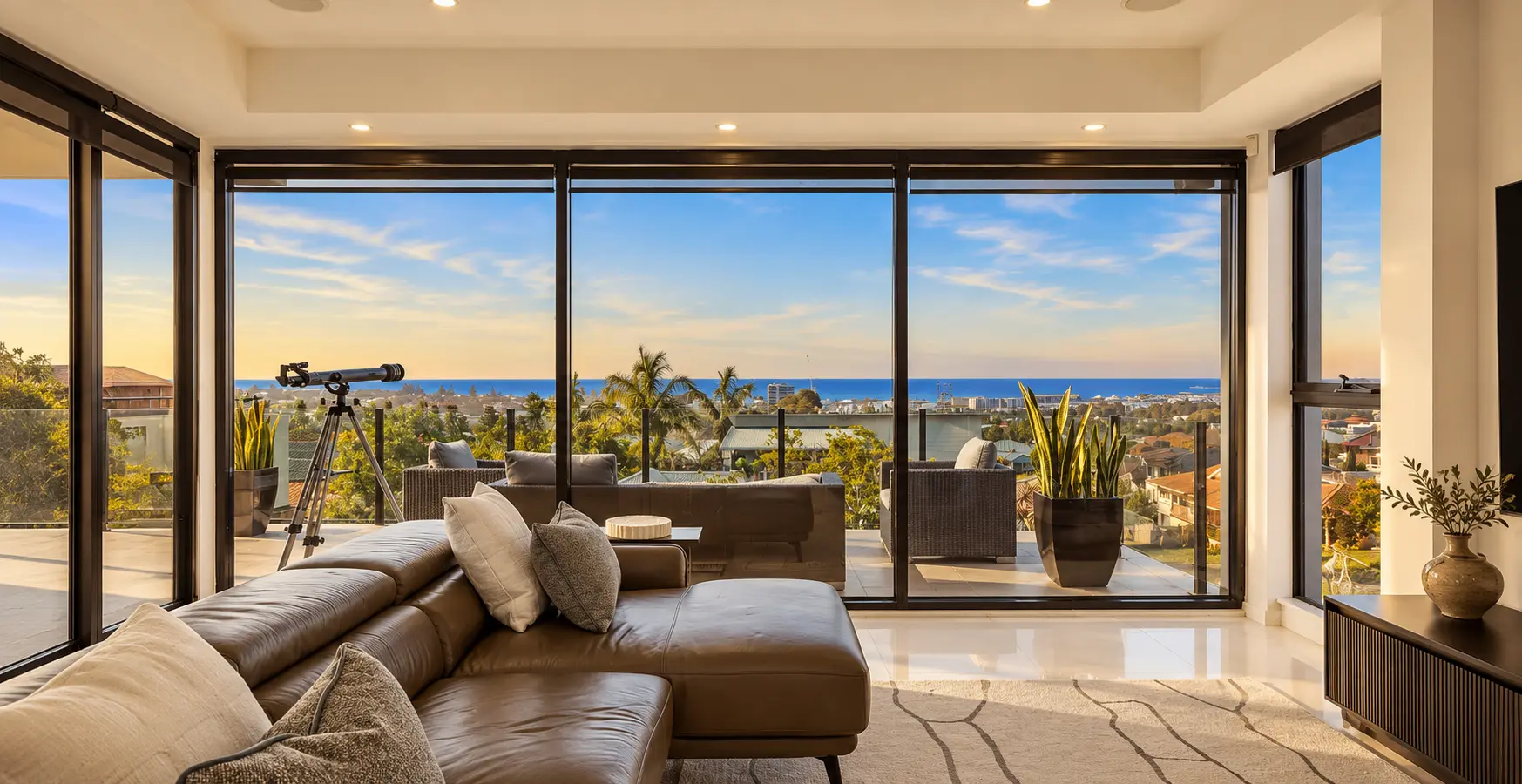
Every home has two possible sale prices. One is what it would sell for today, exactly as it is. The other is what it could sell for if it were properly prepared and marketed. We call the difference between the two the Sale Gap, and for many homeowners it's bigger than they realise.
Selling a home is not the same as getting the most for it
You could decide today to sell. Take some photos, put the home online, open the doors on Saturday and see what buyers offer. You would probably find a buyer.
What you wouldn't know is whether it was the best buyer, whether enough people wanted the home to compete for it, and whether that was really the highest price the market would pay. Once the sold sticker goes up, there's no way to find out. That's the Sale Gap.
Buyers don't see your home the way you do
After five, ten or twenty years in a home, you stop noticing it. The mark on the wall has been there for years. The garden needs attention and the carpet is showing its age. The furniture makes one room feel smaller than it is, the colour scheme dates the house, and there are small repairs you've been meaning to get to.
To you, they're insignificant. To a buyer seeing the home for the first time, every one of them is part of their judgement of what it's worth. We call this the homeowner blind spot: the things buyers notice straight away that owners no longer see. First impressions decide whether a buyer comes back for a second inspection, makes an offer or moves on to the next property.
Preparation doesn't mean renovation
This is where sellers can make another expensive mistake. Getting the best price doesn't usually mean spending tens of thousands of dollars renovating before you sell. Sometimes we walk into a home and tell the owners not to spend the money at all. The aim isn't to build the next owner's dream home. It's to work out where spending will change how buyers see the property, and where it won't.
Depending on the home, preparing for sale might mean nothing more than:
- decluttering and taking out excess furniture
- fixing small maintenance items
- refreshing tired paintwork
- tidying the garden and the street front
- replacing cheap, dated fittings
- a professional clean
- rearranging the furniture you already have
- partial or full styling
- professional photography that shows the home at its best.
Fresh paint, new flooring and targeted work in a kitchen or bathroom can lift a home's presentation, but the cost has to be justified by what it's likely to add to the price. Preparation should be strategic, not expensive for the sake of it.
The online launch matters more than you think
Long before buyers walk through your front door, they're judging your home on a screen, scrolling through listings and comparing it with everything else in their price range. Within seconds they've decided: yes, maybe or no.
That's why preparation, styling, photography and marketing can't be treated as separate jobs. They have one purpose, which is to get more buyers emotionally invested in your home. The better it presents online, the more of that interest turns into inspections. The more genuine buyers come through the door, the better our chance of creating competition.
Emotion creates competition
Property is unusual. We're selling something worth hundreds of thousands of dollars, sometimes millions, to people who don't make the decision with a calculator alone. Buyers picture themselves living there: Christmas around the dining table, children playing in the backyard, friends around the barbecue, a morning coffee looking at the view.
The right presentation helps a buyer stop inspecting a house and start imagining their home. When several buyers feel that at the same time, you have competition. That's when skilled marketing and negotiation matter most.
The cheapest agent can be an expensive decision
It's natural to compare commission and marketing costs. The number we think deserves more attention is your final sale price. Saving a few thousand dollars on the cost of selling means very little if the home sells for tens of thousands less than it could have.
An agent's job shouldn't be simply to list your home and find someone willing to buy it. It's to find every reasonable way to lift what buyers think the home is worth, bring in as many of them as possible and negotiate the strongest result. That work starts well before the home appears online.
Price, presentation and marketing
We believe three things decide how well a home sells: price, presentation and marketing. Get one wrong and you weaken the other two. Get all three working together and you have the best chance of closing the Sale Gap.
So our conversations with sellers aren't only about what the home is worth. We want to answer a more useful question: what it could be worth if we got everything right. Before we recommend spending anything, we look at the home through a buyer's eyes. We think about who is most likely to buy it, what they'll value, what might worry them and which improvements would make a real difference. Sometimes that means doing more. Sometimes it means doing less. It always means having a plan before the home goes to market.
Before the sign goes up
You only get one chance to introduce your home to the market for the first time. You can sell it as it is and accept what the market gives you, or you can work through these questions first:
- What could this home achieve if we prepared it properly?
- What will buyers notice that I don't?
- Where should I spend money, and where shouldn't I?
- What will make buyers fall in love with it?
- How do we create enough competition to get the best price?
Once your home is sold, it's too late to find out what it could have sold for.